Understanding Venus Bay’s Affordable Real Estate Market
Venus Bay, a small coastal town in Victoria, Australia, stands out for its remarkably affordable property prices compared to other beachfront destinations. This phenomenon stems from a combination of geographic isolation, limited infrastructure development, and specific market dynamics that have kept property values relatively low. Understanding these factors can help potential buyers and investors make informed decisions about this unique coastal community.
Geographic Location and Accessibility Challenges
Venus Bay’s remote location plays a significant role in its affordability. Situated approximately 150 kilometers southeast of Melbourne, the town sits at the end of a peninsula with limited road access. This geographic isolation creates several challenges that impact property values:
The primary access route requires traveling through rural roads that can be time-consuming, especially during peak holiday periods. Unlike more accessible coastal towns with multiple transportation options, Venus Bay relies heavily on car travel, which limits its appeal to daily commuters or those seeking easy urban connectivity.
The town’s position at the tip of the Gippsland coastline means it lacks the through-traffic that benefits other coastal communities. This isolation, while contributing to its peaceful atmosphere, also limits economic opportunities and reduces demand from investors and permanent residents who prioritize convenience.
Limited Infrastructure and Services
Venus Bay’s infrastructure remains relatively underdeveloped compared to established coastal centers. The town lacks many amenities that drive property values in other beachfront locations:
Public transportation options are minimal, with no regular bus or rail services connecting Venus Bay to major cities. This limitation significantly impacts accessibility for residents without private vehicles and reduces the town’s appeal to a broader demographic.
Commercial services remain limited, with basic retail outlets and dining options available but lacking the diversity found in larger coastal towns. Residents often need to travel to nearby Inverloch or Wonthaggi for comprehensive shopping, banking, and professional services.
Medical facilities and emergency services are basic, requiring travel to regional centers for specialized healthcare. This factor particularly affects older demographics who might otherwise be attracted to coastal retirement communities.
Seasonal Population Dynamics
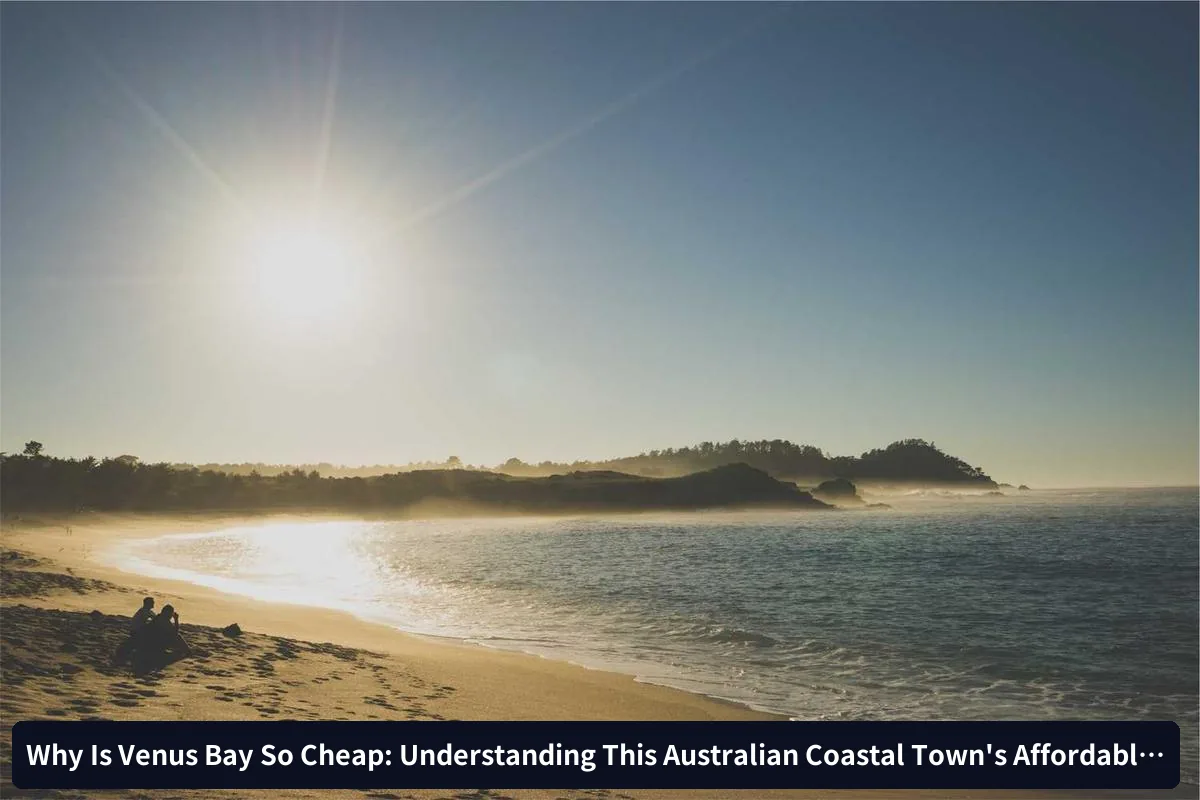
Venus Bay operates primarily as a holiday destination, with significant seasonal population fluctuations that impact the local real estate market. During summer months, the town experiences an influx of visitors, but winter populations remain minimal.
This seasonal pattern creates a rental market focused on short-term holiday accommodations rather than stable, year-round tenancies. Property owners often struggle to generate consistent rental income, making investment properties less attractive compared to locations with stable rental demand.
The lack of permanent residents also impacts local business viability, creating a cycle where limited services reduce the town’s appeal for permanent relocation, further suppressing property demand and values.
Environmental and Planning Constraints
Venus Bay faces various environmental and planning restrictions that influence property development and values. The town’s coastal location subjects it to strict environmental regulations designed to protect sensitive coastal ecosystems.
Bushfire risk represents a significant concern for the area, with properties potentially affected by Country Fire Authority regulations and higher insurance costs. These factors can deter some buyers and impact property values negatively.
Planning restrictions limit high-density development, maintaining the town’s character but also constraining supply growth that might otherwise drive appreciation in property values.
Economic Factors and Employment Opportunities
Limited employment opportunities within Venus Bay contribute significantly to its affordable property market. The town’s economy relies heavily on tourism and seasonal businesses, offering few year-round career prospects.
Most residents who work full-time must commute to larger regional centers or maintain remote work arrangements. This limitation reduces the pool of potential permanent residents and keeps demand for residential property relatively low.
The absence of major employers or industrial development means the town lacks the economic drivers that typically support property value growth in other coastal communities.
Comparing Venus Bay to Other Coastal Markets
When compared to popular coastal destinations like the Mornington Peninsula or Surf Coast, Venus Bay’s limitations become more apparent. Established coastal towns benefit from:
Better infrastructure including sealed roads, public transportation, and comprehensive utility services. These amenities support higher property values by improving livability and accessibility.
Diverse economic bases with tourism, agriculture, and service industries providing employment opportunities and supporting year-round populations.
Established real estate markets with active buying and selling, creating liquidity that Venus Bay’s market currently lacks.
Investment Potential and Future Considerations
Despite current affordability, Venus Bay presents both opportunities and risks for property investors. The town’s natural beauty and coastal location provide inherent value, but several factors must be considered:

Future infrastructure development could significantly impact property values. Improved road access or utility services might attract more permanent residents and increase demand.
Climate change considerations, including sea-level rise and increased storm activity, may affect long-term property values in low-lying coastal areas.
Government policies regarding coastal development and environmental protection could either restrict growth or encourage sustainable development initiatives.
Recap: Key Factors Behind Venus Bay’s Affordability
Venus Bay’s affordable real estate market results from a combination of geographic, economic, and infrastructure factors that limit demand while maintaining adequate supply. Here’s a quick checklist of the main reasons:
- Remote location with limited road access and no public transportation
- Minimal infrastructure and commercial services
- Seasonal population patterns affecting rental markets
- Limited employment opportunities requiring long commutes
- Environmental and planning constraints on development
- Lack of major economic drivers or employers
- Basic medical and emergency services
Frequently Asked Questions
Is Venus Bay a good investment opportunity despite low prices?
Venus Bay can offer investment potential for buyers seeking affordable coastal property, particularly for holiday rentals. However, investors should consider the limited rental season, maintenance costs in coastal environments, and potential challenges with property liquidity. Long-term value appreciation depends on future infrastructure development and economic growth in the region.
What are the main costs of owning property in Venus Bay?
Beyond purchase price, owners should budget for higher insurance costs due to bushfire and coastal risks, potentially expensive utility connections, regular maintenance due to salt air exposure, and travel costs for accessing services in nearby towns. Property taxes remain relatively low due to current valuations.
Could Venus Bay property values increase significantly in the future?
Property values could rise if infrastructure improvements occur, such as better road access or utility services. However, environmental constraints and planning restrictions may limit dramatic appreciation. Any significant value increases would likely require substantial government investment in regional development.
What should first-time buyers know about Venus Bay?
First-time buyers should visit during different seasons to understand the town’s character year-round, research local building requirements and restrictions, consider ongoing costs beyond mortgage payments, and ensure they’re comfortable with limited services and remote location. Professional building and pest inspections are essential due to coastal environmental factors.